
Domain Name System and DNS Delegation
In this video, we will demonstrate the DNS Structure. How the Domain Name System works, and present an example of DNS Delegation. Ok if you are ready let’s get started.
The DNS tree structure looks like an upside down tree with the root at the top.
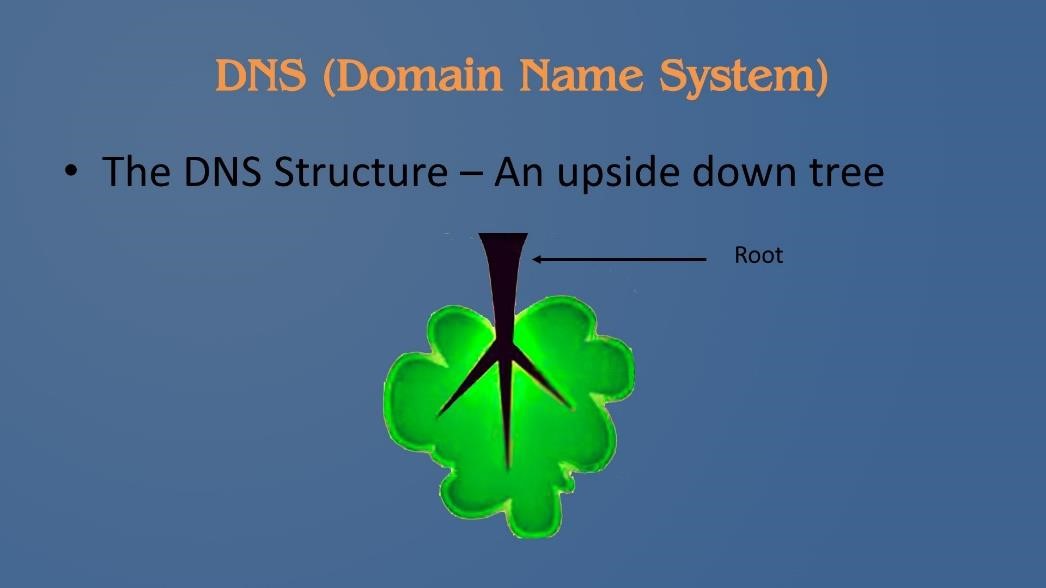
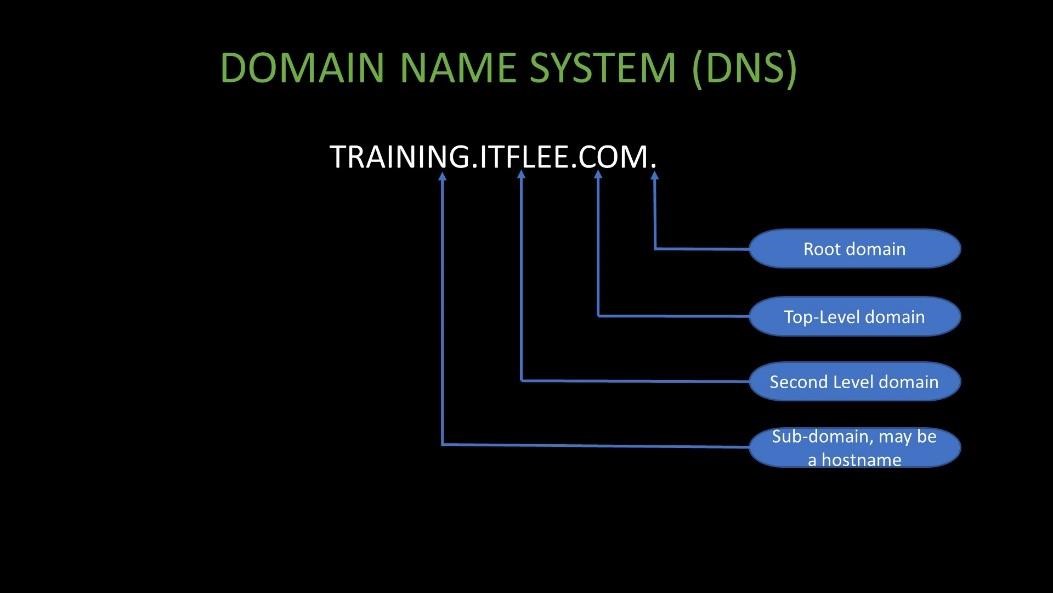
This is an illustration of the DNS tree structure. Here we have the Root Domain represented by a dot, the Top-Level Domain, the Second- Level Domain and the Sub-Domain. In this picture,
the root is at the top; it is represented by a period at the end of a name, such as training.itflee.com(.) The dot is not generally used, but it designates that the name is located at the root or highest level of the domain hierarchy.
Here is another illustration of part of the DNS tree that further clarifies this concept. Again, the root at the top. The top-level domains are the .com’s , .gov, .edu, .net.
“.com” indicates a name registered to a business for commercial use on the internet. The second level domains are google.com, Microsoft.com, ssa, psu, cog. These names are registered by the DNS domain name registrar. Then the www are below the second level.
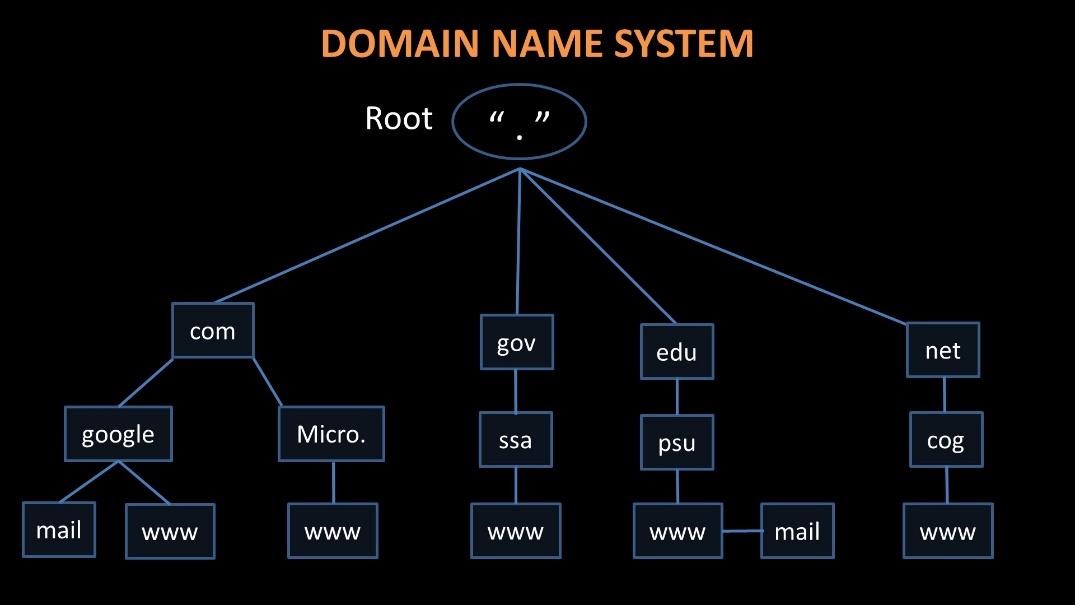
The important point to remember is that even though there will be domains that have names like www or mail, each name represents a unique location within the tree. For demonstration purposes both Google and PSU have mail, but www.mail.psu.edu is certainly unique from www.mail.google.com.
So where are the doma…
No comments yet. Add the first comment to start the discussion.